
Modern healthcare relies heavily on pharmaceutical research to develop safe and effective treatments for a wide range of medical conditions. While medications undergo extensive testing before reaching the market, ongoing monitoring is essential to ensure that potential risks are properly identified and managed. Regulatory agencies and research organizations therefore implement structured programs designed to track medication safety and patient outcomes. One such framework involves Risk Evaluation and Mitigation Strategies Studies, which focus on assessing potential drug-related risks and ensuring that appropriate safety measures are in place.
In clinical research and post-market surveillance, safety monitoring is a critical responsibility. Even after a drug is approved for use, researchers must continue to gather information about how the medication performs in real-world settings. Clinical trials often involve controlled environments and carefully selected participants, but broader patient populations may present different health conditions, behaviors, or risk factors. Continuous monitoring helps ensure that emerging concerns are detected early.
Risk evaluation frameworks are designed to protect patients while allowing beneficial medications to remain available for treatment. These frameworks provide structured guidelines that help researchers, healthcare providers, and regulatory authorities evaluate safety information and determine whether additional precautions are necessary. By collecting and analyzing safety data systematically, researchers can make informed decisions about medication usage and patient protection.
One of the most important aspects of safety monitoring is identifying potential adverse events. Adverse events refer to unexpected medical issues that occur during or after treatment with a medication. These events may range from mild side effects to more serious health concerns. Documenting and analyzing these outcomes helps researchers understand whether they are directly related to the medication or influenced by other factors.
Data collection plays a vital role in safety studies. Researchers gather information from clinical trials, patient reports, healthcare providers, and pharmacovigilance systems. These sources contribute to a comprehensive understanding of how medications affect different populations. By combining data from multiple channels, researchers can identify patterns that may indicate potential risks.
Regulatory agencies often require structured monitoring programs when certain medications carry specific safety concerns. These programs may include patient education initiatives, restricted distribution systems, or additional clinical studies designed to track long-term safety outcomes. The goal is to ensure that medications remain accessible while minimizing potential harm.
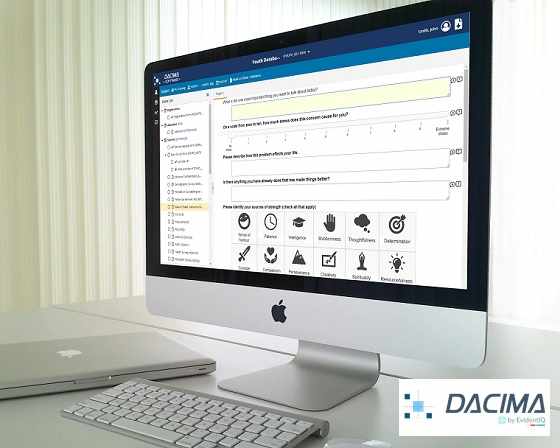
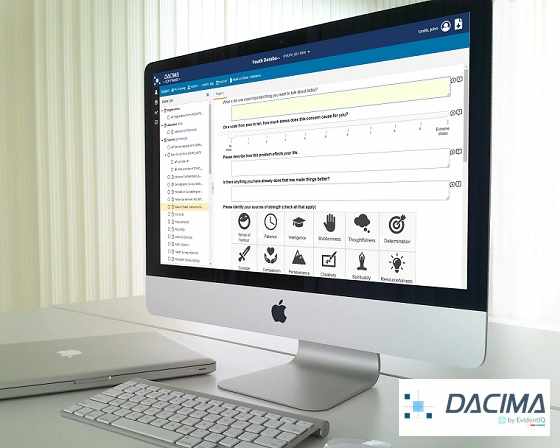
Clinical data management systems are frequently used to organize and analyze safety information. These digital platforms allow researchers to store large volumes of data securely while maintaining accurate records of patient outcomes. Automated monitoring tools can also help identify unusual patterns or signals that may require further investigation.
Education is another important component of medication risk management. Healthcare professionals must understand the potential risks associated with certain medications so they can guide patients appropriately. Educational materials, training programs, and communication strategies help ensure that physicians, pharmacists, and other healthcare providers are informed about safe medication practices.
Patient awareness also contributes to effective safety monitoring. When patients understand the possible side effects of a medication, they are more likely to report unusual symptoms promptly. Early reporting allows healthcare professionals to evaluate the situation and provide appropriate medical guidance.
In many cases, safety monitoring programs include patient registries. These registries collect information from individuals who are using specific medications. By tracking patient outcomes over time, researchers can gather valuable insights about long-term safety and treatment effectiveness.
Technological advancements have significantly improved the ability to monitor medication safety. Digital health systems allow researchers to analyze large datasets more efficiently than ever before. Advanced analytics and automated alerts can identify potential safety concerns that might otherwise remain unnoticed.
Data transparency is also essential for maintaining trust in pharmaceutical research. Regulatory agencies often require detailed documentation of safety monitoring activities. Transparent reporting ensures that research findings can be reviewed and verified by independent experts when necessary.
The design of safety studies often involves collaboration between multiple organizations. Pharmaceutical companies, regulatory authorities, academic institutions, and healthcare providers may work together to collect and analyze data. This collaborative approach ensures that safety evaluations benefit from diverse expertise and perspectives.
Global research collaboration has become increasingly important as medications are distributed across multiple countries. Safety monitoring programs must account for differences in healthcare systems, patient populations, and regulatory requirements. International cooperation helps ensure consistent safety standards across regions.
Another important aspect of safety monitoring is the analysis of risk-benefit relationships. Every medication carries some level of risk, but these risks must be weighed against the therapeutic benefits provided by the treatment. When the benefits significantly outweigh the potential risks, medications can continue to be used under appropriate safety guidelines.
Healthcare technology platforms often support researchers by organizing safety data and facilitating regulatory reporting. These systems help ensure that data is recorded accurately and remains accessible for analysis and review. Efficient data management allows researchers to focus more on scientific evaluation rather than administrative tasks.
In some cases, additional clinical research may be required after a medication enters the market. These follow-up studies help confirm long-term safety and evaluate how medications perform in larger patient populations. The results of these studies can lead to updated treatment guidelines or safety recommendations.
One of the key objectives of Risk Evaluation and Mitigation Strategies Studies is to ensure that medications remain both effective and safe for patients who rely on them. By implementing structured safety monitoring systems, researchers can detect emerging risks while maintaining the availability of valuable treatments.
Patient safety remains the central priority in pharmaceutical research. Every stage of the medication lifecycle—from early development to post-market monitoring—includes safeguards designed to protect individuals receiving treatment. Structured safety studies contribute to this goal by providing reliable information about potential risks.
Healthcare professionals also play a vital role in monitoring medication safety. Physicians, nurses, and pharmacists are often the first to observe patient responses to treatment. Their observations and reports contribute valuable real-world data that supports ongoing research and evaluation.
Digital reporting systems have simplified the process of documenting adverse events and safety observations. Online platforms allow healthcare providers to submit reports quickly and securely, ensuring that important safety information reaches researchers and regulators without delay.
Another benefit of structured safety studies is the ability to refine treatment guidelines. When researchers identify patterns in patient responses, they may adjust dosage recommendations, usage instructions, or monitoring requirements. These updates help optimize treatment outcomes while minimizing potential risks.
Public health organizations also benefit from comprehensive safety monitoring programs. By analyzing safety data across large populations, policymakers can make informed decisions about healthcare regulations and medication availability.
As medical research continues to advance, the role of safety monitoring will remain essential. New therapies, including biologics and personalized medicines, present unique challenges that require careful evaluation. Structured monitoring programs ensure that innovation continues while maintaining strong patient protections.
Ultimately, the success of pharmaceutical treatments depends not only on their effectiveness but also on their safety. By maintaining rigorous evaluation standards and comprehensive monitoring systems, researchers can support the responsible use of medications worldwide.
Dacima Software







Write a comment ...