
In modern clinical research and healthcare studies, the way data is collected, managed, and validated has changed significantly over the last two decades. Paper-based case report forms, once the standard, are increasingly replaced by digital systems that improve efficiency, accuracy, and regulatory compliance. One of the most important developments in this transformation is electronic data capture, commonly referred to as EDC. This article provides a detailed explanation of what is electronic data capture (EDC)?, how it works, why it matters, and how it supports high-quality clinical research without focusing on any brand or promotional messaging.
The concept of electronic data capture
Electronic data capture is a computerized system designed to collect clinical trial or research data directly in electronic form. Instead of recording patient information on paper and later transcribing it into a database, researchers enter data directly into a secure digital platform. This approach reduces duplication of effort and minimizes errors introduced during transcription.
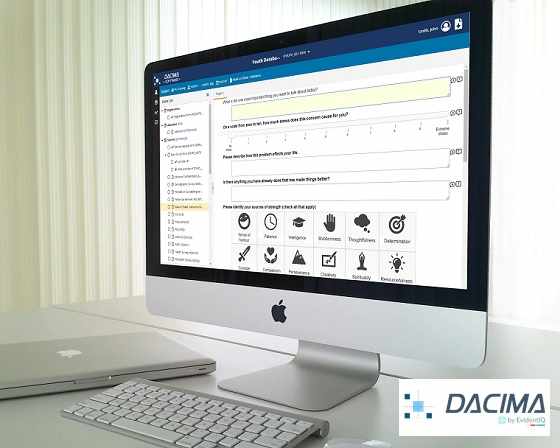
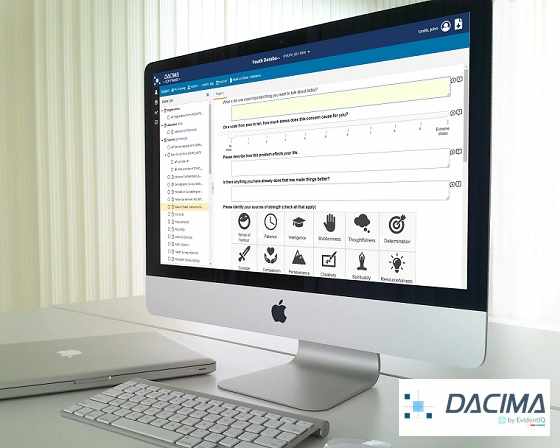
At its core, EDC supports structured data entry using electronic case report forms (eCRFs). These forms are designed according to the study protocol and regulatory requirements. Investigators, study coordinators, and other authorized users enter data through web-based or local interfaces, ensuring consistency across study sites.
Why electronic data capture emerged
Traditional paper-based data collection posed several challenges. Manual data entry often led to delays, missing fields, illegible handwriting, and transcription errors. Monitoring and verifying data required frequent on-site visits, increasing time and cost. As clinical trials grew in complexity and scale, the need for a more reliable and efficient method became clear.
Electronic data capture systems were developed to address these issues. By enabling real-time data entry and validation, EDC significantly improves data quality and speeds up the overall research timeline. Regulatory agencies worldwide now strongly encourage or expect the use of electronic systems in clinical research.
Key components of an EDC system
An EDC system typically consists of several integrated components working together:
Electronic case report forms (eCRFs): These are digital versions of paper forms, customized to capture study-specific data in a structured format.
Validation rules: Built-in checks automatically flag missing, inconsistent, or out-of-range values at the time of data entry.
User roles and permissions: Access is controlled to ensure that only authorized personnel can view or modify specific data.
Audit trails: Every data change is recorded with a timestamp and user identification, supporting traceability and compliance.
Data export and reporting tools: Cleaned data can be extracted for statistical analysis and regulatory submission.
Together, these components help ensure that collected data is accurate, complete, and reliable.
How electronic data capture works in practice
During a study visit, clinical staff enter participant data directly into the EDC system. This may include demographics, laboratory results, medical history, adverse events, and outcomes. As data is entered, the system immediately applies validation rules to identify potential issues.
Monitors and data managers can review the data remotely, raise queries, and resolve discrepancies without waiting for physical documents. This real-time visibility allows faster decision-making and earlier identification of trends or safety concerns.
Understanding what is electronic data capture (EDC)? also involves recognizing its role in enabling decentralized and multi-site studies, where data from different locations is centralized in one secure database.
Advantages of electronic data capture
The benefits of EDC extend across all stages of clinical research:
Improved data quality: Automated checks reduce errors and missing data.
Faster study timelines: Real-time entry and monitoring shorten data cleaning and database lock processes.
Cost efficiency: Reduced paper handling, storage, and on-site monitoring lowers operational costs.
Enhanced compliance: Audit trails and standardized processes support regulatory inspections.
Better collaboration: Stakeholders can access up-to-date data from anywhere, improving coordination.
These advantages make electronic data capture a preferred approach for both large-scale trials and smaller observational studies.
Regulatory and compliance considerations
Clinical research is highly regulated, and any data collection system must comply with international standards and guidelines. EDC systems are designed to align with regulations such as Good Clinical Practice (GCP), data integrity principles, and electronic record requirements.
Features like secure authentication, role-based access, audit trails, and data encryption are essential to meet these expectations. Regulators increasingly expect sponsors and research organizations to demonstrate robust electronic data management practices.
The role of Offline EDC in research
While many EDC systems rely on continuous internet connectivity, this is not always feasible in all study environments. Remote locations, community-based research, and low-infrastructure settings may experience unreliable or unavailable internet access. This is where Offline EDC becomes particularly valuable.
Offline EDC allows data to be entered and stored locally on a device without an active internet connection. Once connectivity is restored, the data synchronizes securely with the central database. This approach ensures uninterrupted data collection while maintaining data integrity and consistency.
Offline functionality supports broader study participation and inclusivity, enabling research in diverse geographic and socioeconomic settings.
Challenges and considerations when using EDC
Despite its advantages, electronic data capture also presents certain challenges. Initial system setup requires careful planning to design appropriate eCRFs and validation rules. Users must be trained to ensure correct and consistent data entry. Poorly designed forms or overly complex workflows can reduce usability and lead to frustration.
Data security is another critical consideration. As sensitive patient information is stored electronically, strong safeguards must be in place to prevent unauthorized access or data breaches. Ongoing system maintenance and compliance monitoring are also necessary.
EDC in the context of modern clinical research
As clinical trials become more patient-centric and technologically advanced, EDC systems play an increasingly central role. They integrate with other digital tools such as electronic patient-reported outcomes, laboratory systems, and clinical trial management platforms. This interconnected ecosystem supports a more holistic and efficient research process.
The shift toward remote and hybrid trial models further emphasizes the importance of flexible and reliable data capture solutions. Electronic data capture supports these models by enabling timely data collection regardless of location.
Future outlook of electronic data capture
The future of EDC is closely tied to broader trends in digital health and data science. Advances in automation, analytics, and interoperability are expected to further enhance data quality and usability. Systems may increasingly support real-time analytics, risk-based monitoring, and adaptive trial designs.
As expectations for transparency, speed, and data integrity continue to rise, electronic data capture will remain a foundational element of clinical research infrastructure.
Conclusion
Electronic data capture has transformed how clinical and research data is collected, managed, and analyzed. By replacing paper-based processes with secure, efficient digital systems, EDC improves data quality, accelerates study timelines, and supports regulatory compliance. Understanding Offline EDC is essential for anyone involved in modern research, as it underpins reliable evidence generation and informed decision-making. With added capabilities such as Offline EDC, these systems continue to evolve to meet the diverse needs of global research environments.






Write a comment ...